1. Prepare a verified product fact sheet
Collect the SKU, variants, materials, dimensions, compatibility, care instructions, and evidence for any claims. Add customer questions and the marketplace where the listing will appear. Keep unknown facts clearly marked. This document should remain the authority for the draft.
- Separate measured specifications from marketing language.
- Identify required category fields and current marketplace rules.
- Record prohibited or unsupported claims.
2. Build the research brief
Use a research tool to explore relevant terms and competitor patterns. Keep the data source, marketplace, and observation window. Do not insert a popular keyword when it describes a feature your product does not have. Helium Agent is a candidate for Amazon research and listing work; plan eligibility must be checked.
3. Generate a reviewable draft
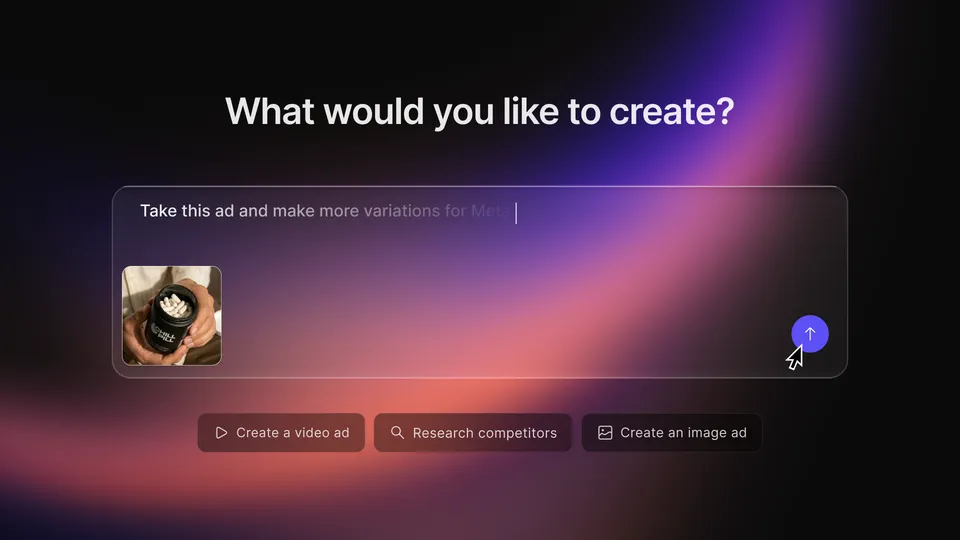
Ask for a title, bullets, and description grounded only in the fact sheet. Request a separate list of missing information rather than invented details. For creative assets, a tool such as Creatify Agent can help produce variations, but review whether the depicted product and intended claims are accurate.
- Prompt: “Draft a listing for this marketplace using only the approved facts. Flag missing facts. Keep unsupported claims out of the draft.”
- Keep original facts, generated copy, and final edits together.
- Check each variant independently.
4. Review before publishing
Check every specification, claim, keyword, and image. Use the current category rules and listing requirements for the destination marketplace. Have a person approve the final copy. This workflow is an editorial template; it is not evidence that a specific tool will improve search rankings or conversion.
5. Measure a controlled change
Record the original listing and the date of the change. Review traffic, conversion, returns, and customer questions over a comparable period, accounting for promotions, price, and stock availability. Do not credit an AI draft with a sales improvement when other major variables changed at the same time.