1. Define the decision and the constraints
Write the destination market, selling platform, target customer, reference product, target selling price, landed-cost ceiling, MOQ, and deadline. Separate required specifications from preferences. For example, a travel organizer brief could define dimensions, materials, pack count, target price, and delivery date; keep every unknown in a separate list.
2. Gather comparable market evidence
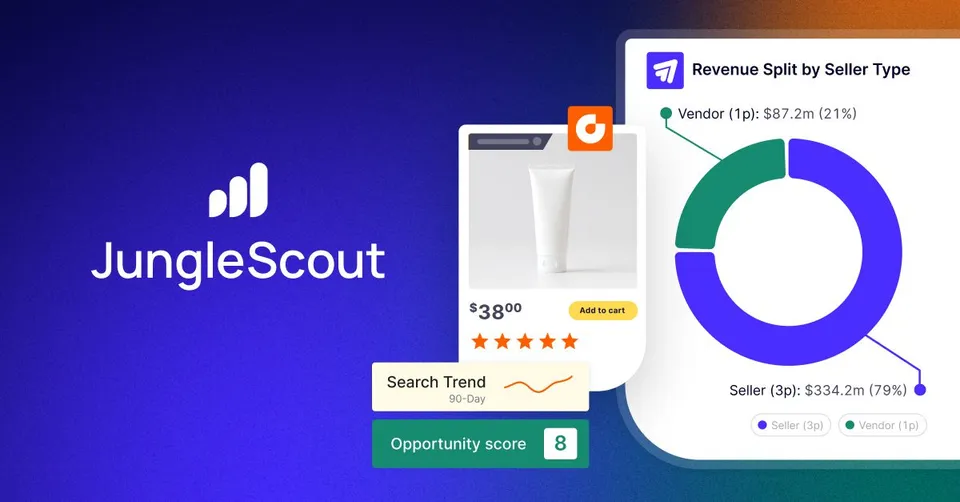
Use a relevant marketplace dataset to investigate competitors and demand signals. Keep the market, metric definition, time window, and source beside each observation. Kalodata is a candidate for TikTok Shop research; Jungle Scout MCP concerns Amazon data in an eligible AI workflow. A dataset can prioritize questions but cannot establish your landed margin.
3. Turn the idea into a sourcing brief
Pikpop advertises coordinated research, product development, and sourcing through Poppy, Piki, and Pinn. It is our own product. Its public demos use demo data. Use a clear brief to evaluate whether the workflow produces source-backed hypotheses, a product specification, and reviewable supplier comparison criteria.
- Request specifications, acceptable alternatives, and unknowns.
- Ask for supplier source links and dated evidence where available.
- Compare price scope, MOQ, lead time, capacity, sample terms, and risks.
4. Verify quotes and samples
Confirm supplier identity and product scope directly. Review a real quote that states currency, shipping terms, packaging, duties or exclusions, lead time, and payment milestones. Evaluate a sample against the approved specifications. A generated shortlist or supplier profile is not a purchase commitment or proof of factory quality.
5. Calculate a small test before ordering
Estimate contribution per order after product cost, inbound shipping, fulfillment, marketplace fees, advertising, and returns. Use pessimistic and expected assumptions. Set an inventory cap and test budget before committing. The template below prepares the task; it does not submit it to a tool or place an order.
 Poppy
Poppy Piki
Piki Pinn
Pinn Kira
Kira